
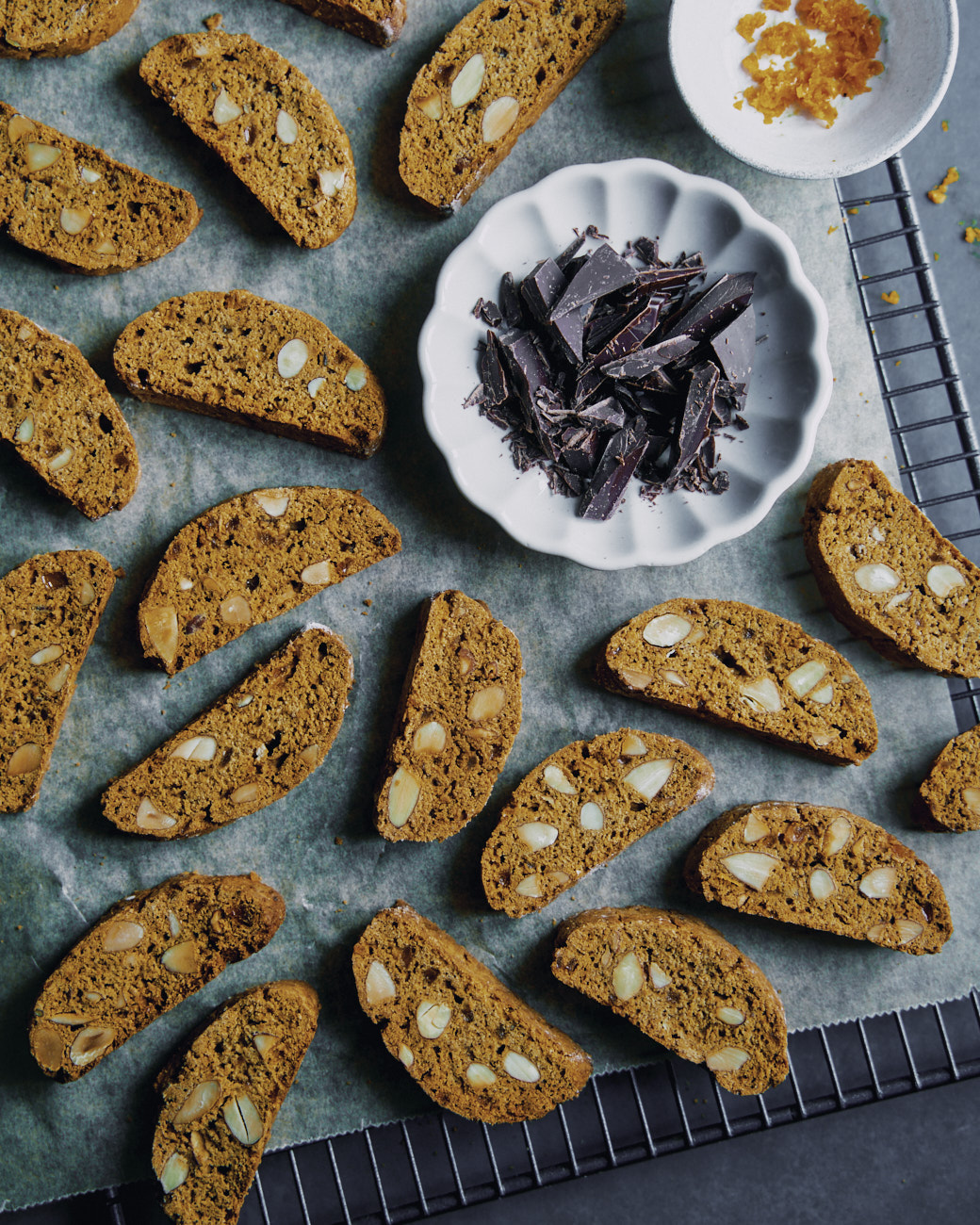
Gluten-Free Biscotti: Crisp, Dippable Cookies for Everyone
Gluten-free biscotti can be just as crunchy, flavorful, and satisfying as the classic Italian cookie. These twice-baked treats are made for dunking in coffee, tea, or hot chocolate, and they’re easy to customize with nuts, dried fruit, or chocolate. With a reliable gluten-free flour blend and a few simple baking tips, you can make biscotti that hold together beautifully and crisp up as they cool.
What Makes Biscotti Different?
Biscotti are baked twice. First, the dough is shaped into a log and baked until firm. Then the log is sliced and baked again, which dries out the cookies and gives them their signature crunch. Gluten-free dough can be a little more delicate than wheat-based dough, so it helps to let the first-baked log cool before slicing and to use a sharp serrated knife.
Easy Gluten-Free Biscotti Recipe
This recipe makes about 20 biscotti. Use a gluten-free flour blend designed for baking; if it does not include xanthan gum or another binder, follow the package guidance for adding one.
Ingredients
- 2 cups gluten-free 1-to-1 baking flour blend
- ½ cup almond flour
- 1 teaspoon baking powder
- ¼ teaspoon salt
- ½ cup unsalted butter, softened
- ¾ cup granulated sugar
- 2 large eggs
- 1 teaspoon vanilla extract
- 1 teaspoon finely grated orange zest, optional
- ¾ cup chopped almonds, chocolate chips, or a combination
Instructions
- Prepare the oven and pan. Heat the oven to 325°F. Line a baking sheet with parchment paper.
- Combine the dry ingredients. In a medium bowl, whisk together the gluten-free flour, almond flour, baking powder, and salt.
- Mix the wet ingredients. In a large bowl, beat the butter and sugar until creamy. Beat in the eggs one at a time, then add the vanilla and orange zest.
- Make the dough. Add the dry ingredients to the butter mixture and stir until combined. Fold in the almonds or chocolate. The dough may feel slightly sticky; let it rest for 10 minutes so the flour can absorb moisture.
- Shape and bake. Divide the dough in half. With lightly damp hands, shape each portion into a log about 10 inches long and 2½ inches wide. Place the logs on the prepared pan, leaving space between them. Bake for 25 to 30 minutes, until lightly golden and set.
- Cool and slice. Let the logs cool on the pan for about 15 minutes. Transfer them to a cutting board and use a serrated knife to cut slices about ½ inch thick.
- Bake again. Arrange the slices cut-side down on the baking sheet. Bake for 10 to 12 minutes, turn each biscotto over, and bake for another 10 to 12 minutes. They will become crisper as they cool.
- Cool completely. Transfer the biscotti to a wire rack before serving or storing.
Tips for Better Gluten-Free Biscotti
- Choose the right flour blend. A cup-for-cup or 1-to-1 gluten-free blend is designed to replace regular flour in many baking recipes. Results vary by brand, so check whether the blend already contains xanthan gum.
- Rest sticky dough. Gluten-free flours often need extra time to absorb liquid. A short rest can make the dough easier to shape.
- Use a serrated knife. Saw gently through the cooled log rather than pressing down hard. This helps prevent crumbling.
- Adjust the second bake to your preferred crunch. Bake a little longer for drier, crunchier biscotti, keeping a close eye on the edges.
- Let them cool before judging the texture. Biscotti firm up as they cool, so they may seem slightly soft when they first come out of the oven.
Flavor Ideas
Try dried cranberries with pistachios, lemon zest with chopped almonds, or chocolate chips with hazelnuts. You can also dip cooled biscotti in melted chocolate and let them set on parchment. For a warm spice variation, add ½ teaspoon cinnamon to the dry ingredients.
Storage and Serving
Once completely cool, store gluten-free biscotti in an airtight container at room temperature for up to two weeks. For longer storage, freeze them in a sealed container for up to three months and thaw at room temperature. Serve with coffee, tea, or another favorite drink for dipping.
Keeping Biscotti Gluten-Free
If you’re baking for someone who needs to avoid gluten, check the labels on every ingredient, including flour, baking powder, chocolate, and mix-ins. Use clean utensils, bowls, and baking surfaces, and avoid shared equipment that may have come into contact with wheat. For people with celiac disease or a serious gluten sensitivity, certified gluten-free ingredients and careful prevention of cross-contact are especially important.
With a crisp texture, plenty of room for flavor variations, and a simple twice-baked method, gluten-free biscotti are a delicious addition to a cookie tin or coffee break.
7 Reasons to Love Gluten-Free Biscotti
- Crispy, satisfying texture
- Perfect for dipping in coffee
- Easy to customize with mix-ins
- Naturally suited to twice-baking
- Great for sharing
- Convenient to store
- A tasty gluten-free treat
4 Drawbacks of Gluten-Free Biscotti
- Gluten-free biscotti can be crumbly.
- Specialty flour blends may cost more.
- They can turn dry if overbaked.
- The texture may differ from traditional biscotti.
Crispy, satisfying texture
One of the best things about gluten-free biscotti is their crispy, satisfying texture. Baked twice, these cookies develop a firm crunch that holds up beautifully when dipped in coffee, tea, or hot chocolate. As they cool, they become even crisper, making each bite a delightful mix of crunch and flavor.
Perfect for dipping in coffee
Gluten-free biscotti are perfect for dipping in coffee. Their crisp, sturdy texture softens just enough when dunked, soaking up the coffee’s rich flavor without falling apart. Enjoy them with a morning cup or as a simple afternoon treat.
Easy to customize with mix-ins
One of the best things about gluten-free biscotti is how easy they are to customize with mix-ins. Fold chopped nuts, dried fruit, chocolate chips, or citrus zest into the dough to create a flavor combination that suits your taste or the occasion. Just keep the total amount of add-ins moderate so the biscotti hold together and bake evenly.
Naturally suited to twice-baking
Biscotti are naturally suited to twice-baking: the first bake sets the dough into a firm log, and the second dries the sliced cookies until crisp. This method works especially well for gluten-free biscotti because it helps create their signature crunchy texture without relying on gluten for chew or structure. Letting the log cool before slicing and the biscotti cool completely after the second bake helps them hold together and crisp up nicely.
Great for sharing
Gluten-free biscotti are great for sharing at gatherings, coffee dates, and holiday celebrations because they’re easy to serve and pair well with coffee, tea, or hot chocolate. Their crisp texture travels nicely, and a batch can be customized with different nuts, dried fruit, or chocolate so there’s a flavor for everyone. When sharing with someone who avoids gluten, check ingredient labels and prevent cross-contact to help make the treat suitable for them.
Convenient to store
Gluten-free biscotti are convenient to store because their twice-baked texture helps them stay crisp for longer than many soft cookies. Once completely cool, place them in an airtight container and keep them at room temperature, ready to enjoy with coffee or tea. Their sturdy shape also makes them easy to pack for lunchboxes, road trips, or an afternoon snack.
A tasty gluten-free treat
Gluten-free biscotti are a tasty treat that lets people avoiding gluten enjoy a crisp, flavorful cookie with their favorite coffee, tea, or hot chocolate. With classic options like almond and chocolate, plus plenty of creative flavor combinations, they’re delicious whether or not you follow a gluten-free diet.
Gluten-free biscotti can be crumbly.
One drawback of gluten-free biscotti is that they can be more crumbly than traditional biscotti. Without gluten to help bind the dough, slices may break while cutting or lose pieces when handled, especially if the loaf is still warm or the dough is too dry. Letting the loaf cool before slicing, using a sharp serrated knife, and following the flour blend’s instructions for binders can help the biscotti hold together better.
Specialty flour blends may cost more.
One downside of gluten-free biscotti is that specialty flour blends may cost more than conventional wheat flour. Since these blends often combine several alternative flours and starches, the higher price can add up, especially if you bake frequently. Checking prices across brands or buying a larger package when it’s practical may help reduce the cost.
They can turn dry if overbaked.
Gluten-free biscotti can turn dry if they’re overbaked, since the second bake is meant to crisp them up by removing moisture. Check them near the end of baking and take them out when they’re lightly golden and firm; they’ll continue to crisp as they cool.
The texture may differ from traditional biscotti.
Gluten-free biscotti may have a different texture from traditional biscotti made with wheat flour. Depending on the flour blend, they can be more crumbly, dry, or sandy, and may not have the same firm, even crunch. Letting the dough rest before shaping and allowing the cookies to cool completely can help improve their texture, but results may still vary by recipe and ingredients.
Tags: almond biscotti, almond flour, baking tips, biscotti flavor variations, biscotti recipe, celiac-safe baking, chocolate biscotti, coffee cookies, cross-contact prevention, crunchy cookies, gluten free biscotti, gluten-free baking, gluten-free biscotti, gluten-free flour blend, gluten-free storage, serrated knife, twice-baked cookies