
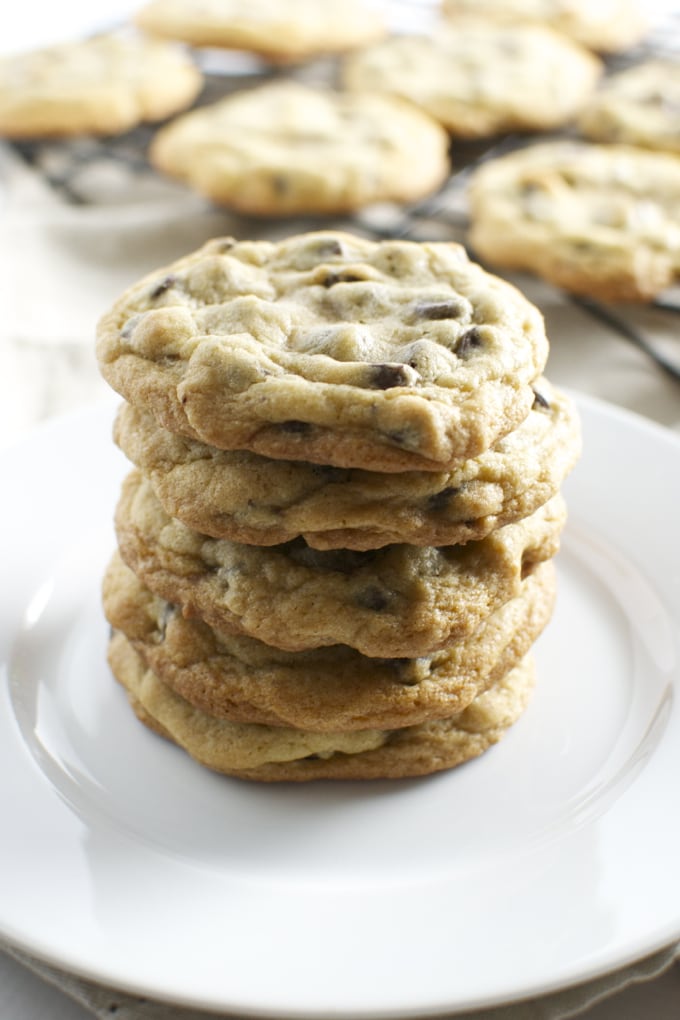
The Joy of Homemade Cookies
Homemade cookies have a special place in our hearts and homes. The aroma of freshly baked cookies wafting through the air brings comfort and joy to all who experience it. Whether it’s a classic chocolate chip cookie or a unique flavor combination, homemade cookies offer a sense of warmth and nostalgia that store-bought treats simply cannot match.
The Benefits of Baking Homemade Cookies
There are numerous reasons why baking homemade cookies is a delightful experience:
- Freshness: When you bake your own cookies, you have full control over the ingredients used, ensuring that your treats are fresh and free from preservatives.
- Creativity: Baking allows you to unleash your creativity by experimenting with different flavors, textures, and decorations to create personalized cookies that reflect your unique taste.
- Bonding: Baking cookies with loved ones can be a fun and rewarding activity that strengthens relationships and creates lasting memories.
- Satisfaction: The sense of accomplishment that comes from baking a batch of delicious cookies from scratch is truly gratifying.
Tips for Baking Perfect Homemade Cookies
To ensure your homemade cookies turn out perfectly every time, consider the following tips:
- Use Quality Ingredients: Opt for high-quality ingredients such as fresh butter, premium chocolate, and pure vanilla extract for superior flavor.
- Follow the Recipe: Pay close attention to measurements and instructions to achieve the desired texture and taste in your cookies.
- Proper Mixing: Avoid overmixing the dough to prevent tough or dry cookies. Mix until just combined for tender, chewy results.
- Baking Time & Temperature: Keep an eye on your cookies while they bake to ensure they are cooked evenly. Every oven is different, so adjust time and temperature accordingly.
In Conclusion
Baking homemade cookies is more than just a culinary endeavor—it’s a heartwarming experience that brings joy to both bakers and cookie enthusiasts alike. So next time you’re craving something sweet, consider whipping up a batch of homemade cookies to indulge in the simple pleasure of freshly baked goodness.
Top 5 FAQs About Homemade Cookies: Basics, Ingredients, and Secrets
- What are the 6 basic cookies?
- How to make the Kylie Jenner cookies?
- What are the 7 basic ingredients in all cookies?
- What is the secret to making good cookies?
- What are the six basic cookies?
What are the 6 basic cookies?
When it comes to homemade cookies, understanding the six basic types can provide a solid foundation for your baking endeavors. The six fundamental cookie varieties include drop cookies, bar cookies, molded cookies, rolled cookies, pressed cookies, and refrigerator cookies. Each type offers a unique texture and flavor profile, allowing bakers to explore a diverse range of recipes and techniques. Whether you prefer the simplicity of drop cookies or the intricacy of rolled cookies, mastering these basic categories can elevate your cookie-making skills and inspire creativity in the kitchen.
How to make the Kylie Jenner cookies?
To make the Kylie Jenner cookies, you can follow a popular recipe inspired by the celebrity’s favorite treat. These cookies are typically oversized, chewy, and loaded with chocolate chips or chunks for a decadent indulgence. To recreate the Kylie Jenner cookie experience at home, gather high-quality ingredients like butter, sugar, flour, and plenty of chocolate. Mix the dough to the desired consistency, shape large cookie portions, and bake them until golden brown. The result is a deliciously rich and satisfying cookie that is sure to impress your taste buds and maybe even your social media followers.
What are the 7 basic ingredients in all cookies?
In the realm of homemade cookies, there are seven fundamental ingredients that form the foundation of these delectable treats. Flour provides structure, while sugar adds sweetness and helps with browning. Butter or another fat lends richness and flavor, while eggs bind everything together. Baking powder or baking soda serves as a leavening agent to help cookies rise, and salt enhances the overall flavor profile. Finally, vanilla extract imparts a subtle yet essential aroma that elevates the taste of the cookies. These seven basic ingredients work harmoniously to create a perfect batch of homemade cookies that are sure to delight taste buds and bring joy to those who indulge in them.
What is the secret to making good cookies?
When it comes to the frequently asked question, “What is the secret to making good cookies?” the answer lies in a combination of key factors. The secret to making good cookies involves using high-quality ingredients, such as fresh butter and premium chocolate, following the recipe with precision to achieve the desired texture and taste, mastering the art of proper mixing techniques to ensure a perfect balance of ingredients, and paying attention to baking time and temperature for optimal results. Ultimately, the secret to making good cookies is a blend of quality ingredients, technique, and attention to detail that culminates in delicious homemade treats that are sure to delight.
What are the six basic cookies?
When it comes to homemade cookies, the question of the six basic types often arises. The six foundational cookie varieties that serve as a starting point for endless flavor combinations and adaptations are chocolate chip, sugar cookies, oatmeal cookies, peanut butter cookies, shortbread cookies, and snickerdoodles. These classic recipes showcase a range of textures and flavors, making them beloved staples in the world of baking. Whether you’re a novice baker looking to master the basics or an experienced cookie connoisseur seeking traditional favorites, exploring these six fundamental cookie types is a delightful journey into the art of homemade treats.
Tags: baking, bonding, cookies, creativity, freshness, homemade, homemade cookies, ingredients, joy, mixing, recipe, satisfaction, temperature