
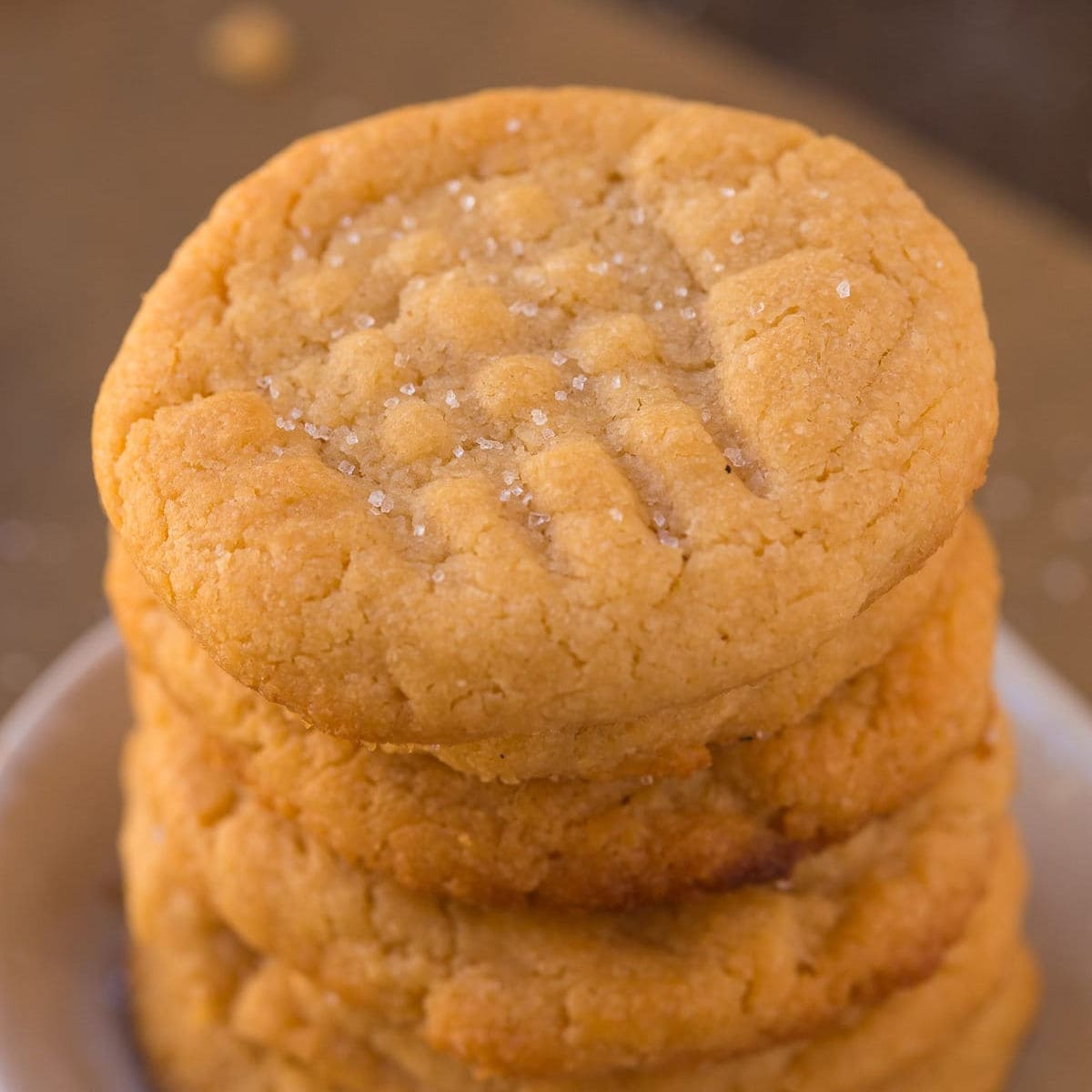
Sugar-Free Cookie Dough: A Sweet Treat Without Added Sugar
Sugar-free cookie dough can satisfy a cookie craving without relying on regular granulated or brown sugar. It’s easy to make at home, customize with your favorite mix-ins, and enjoy by the spoonful or bake into cookies. The key is choosing a sweetener you like and preparing the flour safely.
What Does “Sugar-Free” Mean?
In recipes, “sugar-free” often means that regular sugar has been replaced with a non-sugar sweetener. Depending on the ingredients, the finished dough may still contain naturally occurring sugars or a small amount of sugar from mix-ins. Check product labels if you need to limit sugar for a specific reason.
Common sweetener options include erythritol, stevia blends, and monk fruit blends. Their sweetness and texture vary, so follow the package’s conversion guidance. Powdered sweeteners usually blend more smoothly than granulated ones. Some sweeteners can also have a cooling aftertaste or become gritty, especially after chilling.
Easy Edible Sugar-Free Cookie Dough
This no-bake dough contains no eggs, but it still needs flour that has been heat-treated before use. Raw flour can carry harmful bacteria, so don’t skip this step.
Ingredients
- 1 cup (about 125 g) all-purpose flour, heat-treated and cooled
- ½ cup unsalted butter, softened
- ⅓ cup powdered sugar-free sweetener, adjusted to taste
- 1 teaspoon vanilla extract
- ¼ teaspoon salt
- 1 to 2 tablespoons milk, as needed
- ⅓ cup sugar-free chocolate chips or another favorite mix-in
Instructions
- Use commercially heat-treated flour, or spread regular flour on a baking sheet and heat it in a 300°F oven, stirring occasionally. Check that the flour reaches 165°F throughout with a food thermometer, then let it cool completely. Discard it if you can’t verify that it reached the safe temperature.
- Beat the softened butter and sweetener together until creamy.
- Mix in the vanilla and salt. Add the cooled flour and stir until combined.
- Add milk, one tablespoon at a time, until the dough reaches your preferred consistency.
- Fold in the chocolate chips. Taste and adjust the sweetness if needed.
Tips for Better Texture and Flavor
Start with less sweetener than you think you need, then add more to taste. Sugar-free sweeteners can vary considerably in sweetness, and some taste stronger once mixed with butter and vanilla. If the dough seems dry or crumbly, add milk a teaspoon at a time. If it feels too soft, chill it for 20 to 30 minutes.
For a different flavor, try chopped nuts, unsweetened coconut, cinnamon, or a pinch of espresso powder. Choose mix-ins that fit your dietary needs, and check their labels—some products marketed as sugar-free may contain other carbohydrates or sweeteners.
Can You Bake This Dough?
This recipe is designed for eating as edible cookie dough, not necessarily for baking. Sugar contributes to the spread, browning, and texture of traditional cookies, so replacing it can change the result. For baked cookies, use a recipe developed specifically with your chosen sweetener.
Storage and Food Safety
Store the dough in an airtight container in the refrigerator and enjoy it within four days. You can also portion it into small scoops and freeze them for up to about two months. Thaw portions in the refrigerator before eating.
Even without eggs, edible cookie dough is only as safe as its flour and other ingredients. Use heat-treated flour, keep the dough chilled, and avoid tasting it before the flour has been safely treated.
A Simple Treat to Make Your Own
Sugar-free cookie dough is easy to adapt to your preferred sweetness and texture. With heat-treated flour, a suitable sweetener, and a few favorite mix-ins, you can make a convenient no-bake treat at home. If you’re managing blood sugar or following a specific diet, check the ingredients and serving size, since “sugar-free” does not automatically mean carbohydrate-free.
Sugar-Free Cookie Dough FAQs: Preparation, Safety, Sweeteners, Baking, and Storage
- How do you make sugar-free cookie dough?
- Can you eat sugar-free cookie dough raw?
- What sweeteners work best in sugar-free cookie dough?
- Can you bake sugar-free cookie dough into cookies?
- How should you store sugar-free cookie dough?
How do you make sugar-free cookie dough?
To make sugar-free cookie dough, beat softened butter with a powdered sugar-free sweetener, then mix in vanilla, a pinch of salt, and heat-treated, cooled flour. Add milk a little at a time until the dough reaches your preferred consistency, then fold in sugar-free chocolate chips or other mix-ins. For edible dough, leave out the eggs and make sure the flour has been heat-treated to 165°F before using.
Can you eat sugar-free cookie dough raw?
Yes, you can eat sugar-free cookie dough raw if it’s made specifically to be edible and uses heat-treated flour and no raw eggs. “Sugar-free” doesn’t automatically make dough safe to eat, since raw flour can contain harmful bacteria. Use commercially heat-treated flour or heat-treat it according to food-safety guidance, and keep the dough refrigerated until serving.
What sweeteners work best in sugar-free cookie dough?
Powdered monk fruit or stevia blends that contain erythritol are popular choices for sugar-free cookie dough because they provide sweetness and blend smoothly into the butter. Allulose is another option and tends to have a softer texture with less of a cooling aftertaste, though it can make dough feel wetter. Pure stevia is very concentrated and adds no bulk, so it may not work well as a direct sugar substitute on its own. Since sweeteners vary in sweetness and texture, follow the package’s conversion guidance and adjust the amount to taste.
Can you bake sugar-free cookie dough into cookies?
Yes, you can bake sugar-free cookie dough, but the results depend on the recipe and sweetener. Sugar affects how cookies spread, brown, and hold their texture, so simply swapping sugar in a standard recipe may produce cookies that are dry, soft, or unevenly browned. For the best results, use a recipe designed for your specific sugar substitute and follow its baking instructions. If the dough is meant to be eaten raw, check the recipe before baking, since it may not contain the ingredients or proportions needed to make proper cookies.
How should you store sugar-free cookie dough?
Store sugar-free cookie dough in an airtight container in the refrigerator and enjoy it within four days. For longer storage, portion the dough into scoops, freeze them in a sealed freezer-safe container for up to two months, and thaw portions in the refrigerator before eating. If the dough is made for eating raw, use heat-treated flour and keep it chilled between servings.
Tags: baking with sugar substitutes, blood sugar, cookie dough recipe, erythritol, food safety, heat-treated flour, monk fruit, no-bake dessert, stevia, storage tips, sugar free cookie dough, sugar-free chocolate chips, sugar-free cookie dough, sugar-free sweetener, sweetener alternatives