
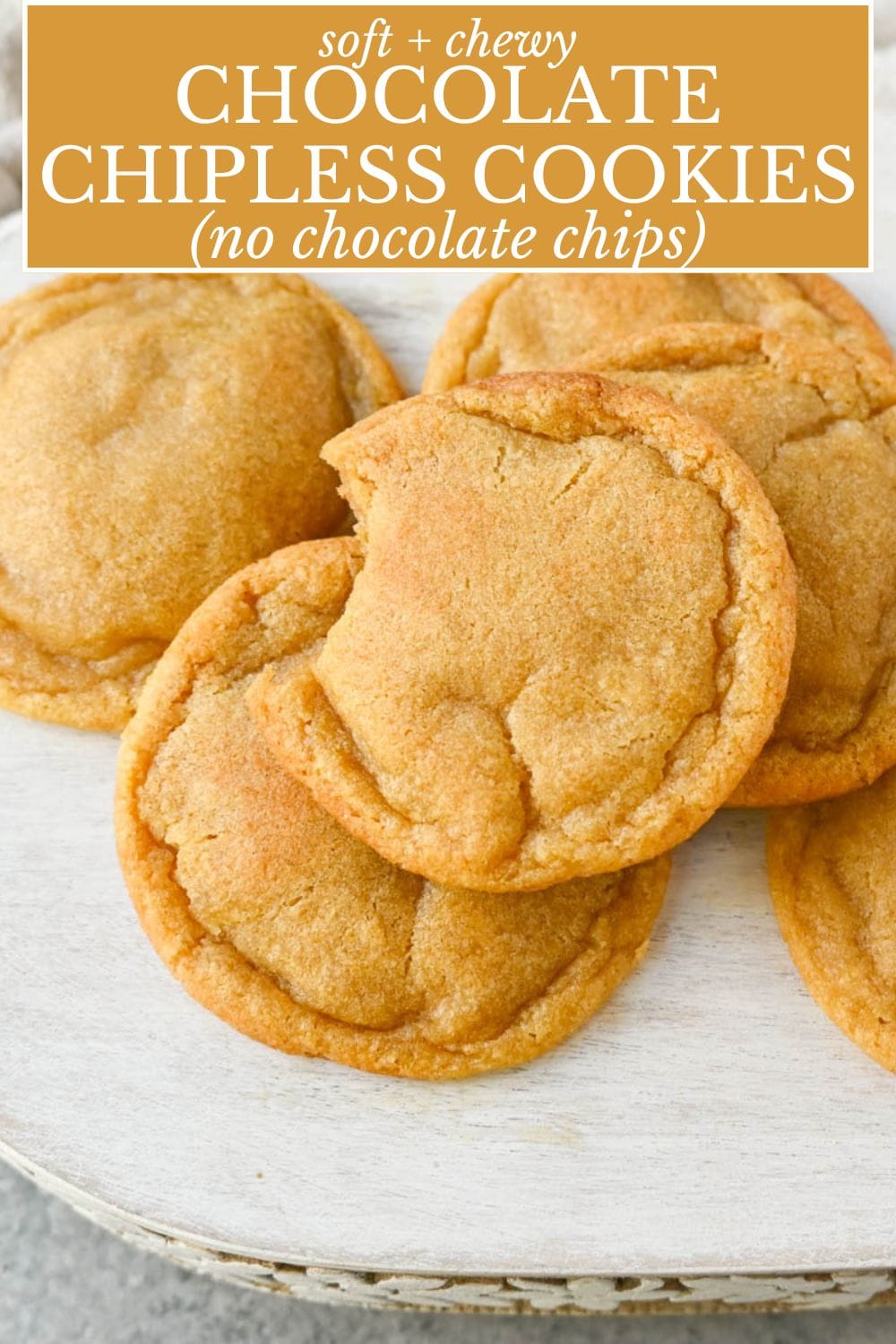
Cookies Without Butter: Delicious and Healthier Alternatives
Butter is a common ingredient in traditional cookie recipes, known for adding richness and flavor. However, for those looking to reduce their butter intake or accommodate dietary restrictions, there are plenty of delicious alternatives to create mouthwatering cookies without butter.
Oil Substitutes
One popular substitute for butter in cookies is vegetable oil or coconut oil. These oils can add moisture and texture to your cookies while keeping them soft and chewy. Be sure to use a neutral-flavored oil to avoid overpowering the cookie’s taste.
Avocado
Avocado is a great healthy alternative to butter in cookies. Mashed avocado can provide a creamy texture and healthy fats while reducing the saturated fat content. Avocado also adds a subtle flavor that pairs well with chocolate or nuts.
Applesauce
For a low-fat option, consider using applesauce as a butter substitute in your cookie recipes. Applesauce adds moisture and sweetness to the cookies without the need for additional fats. It works particularly well in oatmeal or fruit-based cookies.
Bananas
Mashed ripe bananas can serve as a natural sweetener and binder in cookie recipes. Bananas add moisture and flavor to the cookies while reducing the need for butter. They work best in recipes that complement their taste, such as peanut butter or cinnamon-spiced cookies.
Greek Yogurt
Greek yogurt is another versatile ingredient that can replace butter in cookies. It adds protein, moisture, and tanginess to the dough, resulting in soft and tender cookies. Greek yogurt works well in both sweet and savory cookie recipes.
Conclusion
Experimenting with different substitutes for butter can lead to creative and healthier cookie options that are just as delicious as traditional recipes. Whether you choose oil, avocado, applesauce, bananas, or Greek yogurt, there are plenty of ways to enjoy homemade cookies without sacrificing taste or texture.
5 Reasons to Choose Butter-Free Cookies: Health, Flavor, and Sustainability
- Healthier option for those looking to reduce saturated fat intake
- Suitable for individuals with dairy allergies or lactose intolerance
- Can provide unique flavors and textures to cookie recipes
- Offers a variety of natural substitutes that add moisture and richness
- May be more environmentally sustainable compared to butter production
6 Drawbacks of Making Cookies Without Butter
- 1. Altered Texture
- 2. Flavor Impact
- 3. Shelf Life
- 4. Browning Effect
- 5. Lack of Richness
- 6. Limited Spread
Healthier option for those looking to reduce saturated fat intake
Cookies made without butter offer a healthier alternative for individuals seeking to lower their saturated fat intake. By using substitutes like vegetable oil, avocado, applesauce, bananas, or Greek yogurt instead of butter, these cookies can provide a delicious treat while reducing the overall saturated fat content. This makes them a great choice for those aiming to make more mindful dietary decisions without sacrificing flavor or enjoyment.
Suitable for individuals with dairy allergies or lactose intolerance
Cookies made without butter are a great option for individuals with dairy allergies or lactose intolerance. By using alternative ingredients like oils, avocado, applesauce, bananas, or Greek yogurt instead of butter, these cookies provide a delicious treat without triggering any dairy-related issues. This allows those with dietary restrictions to enjoy homemade cookies without compromising on taste or texture, making them inclusive and accessible to a wider range of people.
Can provide unique flavors and textures to cookie recipes
Cookies made without butter can offer a delightful array of unique flavors and textures to traditional cookie recipes. By exploring alternative ingredients such as coconut oil, avocado, applesauce, bananas, or Greek yogurt, bakers can infuse their creations with distinct tastes and mouthwatering textures that set them apart from classic butter-based cookies. These innovative substitutions not only cater to dietary preferences but also open up a world of creative possibilities for crafting cookies that surprise and delight the taste buds.
Offers a variety of natural substitutes that add moisture and richness
Cookies without butter offer a unique advantage by providing a diverse selection of natural substitutes that not only maintain moisture but also enhance richness in flavor. Ingredients such as avocado, coconut oil, applesauce, bananas, and Greek yogurt serve as excellent alternatives to butter, infusing cookies with their own distinct qualities while ensuring a soft and delectable texture. By exploring these natural options, bakers can create a wide range of delicious cookies that cater to different tastes and dietary preferences without compromising on taste or quality.
May be more environmentally sustainable compared to butter production
Cookies made without butter may offer a more environmentally sustainable option compared to traditional butter production. The production of butter often involves significant resources, such as land, water, and energy, which can have environmental implications. By utilizing alternative ingredients like oils, fruits, or yogurt in cookie recipes instead of butter, we can potentially reduce the environmental impact associated with butter production. Choosing cookies without butter can be a small but meaningful step towards promoting sustainability in our food choices.
1. Altered Texture
When it comes to cookies made without butter, one notable con is the potential for an altered texture. Unlike traditional butter-based cookies that are known for their rich and tender crumb, cookies made without butter may exhibit a different texture. The absence of butter can affect the cookie’s structure and mouthfeel, potentially resulting in a slightly drier or denser outcome. However, with careful ingredient selection and recipe adjustments, it is possible to achieve a desirable texture in butter-free cookies that is equally enjoyable and satisfying.
2. Flavor Impact
When it comes to baking cookies without butter, one significant con to consider is the potential flavor impact. Butter plays a crucial role in providing a distinct and rich flavor to cookies, and using substitutes such as oil, avocado, or applesauce may alter the overall taste of the final product. The absence of butter can result in cookies that lack the characteristic buttery aroma and flavor that many people associate with traditional homemade treats. It’s essential to be mindful of this aspect when exploring alternative ingredients in cookie recipes to ensure that the desired taste profile is maintained or adjusted accordingly for a satisfying baking experience.
3. Shelf Life
One notable downside of cookies without butter is their potentially shorter shelf life. The absence of butter, which acts as a natural preservative in traditional cookie recipes, can lead to quicker spoilage of cookies made with alternative ingredients. Without the preservative qualities of butter, these cookies may not stay fresh for as long periods, requiring more careful storage and consumption to maintain their quality and taste over time.
4. Browning Effect
One significant drawback of baking cookies without butter is the potential lack of uniform browning during the baking process. Butter plays a crucial role in helping cookies achieve a golden-brown color evenly across the surface. Substitutes for butter may not have the same browning effect, leading to cookies that appear unevenly cooked or lack the desirable crispiness and flavor that comes from proper browning. This con highlights the importance of considering alternative ingredients carefully to ensure both taste and visual appeal in butter-free cookie recipes.
5. Lack of Richness
Cookies made without butter may face the con of lacking richness and depth in flavor that butter typically provides. Butter adds a luxurious and indulgent quality to cookie recipes, enhancing their taste and texture with its rich, creamy profile. Without butter, cookies may miss out on the depth of flavor and satisfying mouthfeel that comes from this essential ingredient. While alternative substitutes can offer different benefits, they may not fully replicate the unique richness that butter brings to traditional cookie recipes.
6. Limited Spread
When baking cookies without butter, one notable downside is the limited spread that they may experience during the baking process. Unlike butter-based cookies that tend to spread out and create a thin, crispy edge, cookies made without butter may retain a more compact shape. This limited spread can impact both the appearance and texture of the cookies, potentially resulting in a denser or chewier final product. Adjusting the recipe or experimenting with alternative ingredients can help overcome this con and achieve the desired cookie texture and appearance.
Tags: applesauce, avocado, bananas, coconut oil, cookies without butter, dairy allergies, delicious, greek yogurt, healthier alternatives, lactose intolerance, moisture, natural substitutes, oil substitutes, richness, saturated fat intake, textures, unique flavors, vegetable oil