
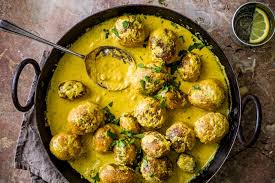
The Art of Crafting Delicious Recipes
Recipes are much more than just a list of ingredients and instructions; they are a form of art that allows us to express our creativity and passion for food. Whether you’re an experienced chef or a novice cook, the process of creating and sharing recipes can be incredibly rewarding.
One of the most beautiful aspects of recipes is their ability to bring people together. Sharing a meal prepared from a cherished family recipe or trying out a new dish with friends can create lasting memories and strengthen bonds. Recipes have the power to evoke nostalgia, spark conversation, and create moments of joy around the dining table.
Creating a recipe involves more than just combining ingredients; it requires careful thought, experimentation, and attention to detail. From selecting the freshest produce to balancing flavors and textures, every step in the recipe development process plays a crucial role in shaping the final dish.
Recipes also serve as a way to preserve culinary traditions and heritage. Passing down recipes from generation to generation ensures that treasured family dishes continue to be enjoyed and appreciated. Each recipe tells a story, reflecting the cultural influences, personal preferences, and unique experiences of those who created it.
Whether you’re following a classic recipe passed down through your family or experimenting with new flavor combinations in your kitchen, cooking is an opportunity to explore your creativity and showcase your love for food. The act of preparing and sharing recipes is a celebration of flavors, aromas, and textures that delight the senses and nourish the soul.
So next time you step into the kitchen to whip up a batch of cookies, simmer a pot of soup, or bake a loaf of bread, remember that you’re not just following instructions – you’re engaging in an age-old tradition of culinary artistry that brings people together and fills hearts with warmth and happiness.
Top 6 Frequently Asked Questions About Recipes: Adjustments, Substitutions, Techniques, Storage, Health Tips, and Dietary Needs
- 1. How do I adjust a recipe for different serving sizes?
- 2. Can I substitute one ingredient for another in a recipe?
- 3. What are some common cooking techniques used in recipes?
- 4. How can I store leftover ingredients after using them in a recipe?
- 5. Are there any tips for making recipes more healthy or nutritious?
- 6. Where can I find recipes for specific dietary restrictions or preferences?
1. How do I adjust a recipe for different serving sizes?
Adjusting a recipe for different serving sizes is a common query among home cooks looking to scale their dishes to accommodate varying numbers of guests or family members. To modify a recipe for more or fewer servings, you can use simple math to adjust the quantities of ingredients accordingly. For instance, if you’re doubling a recipe, you would double all ingredient amounts, while halving a recipe would involve cutting all quantities in half. It’s essential to pay attention to cooking times and temperatures as well, as these may need to be adjusted when changing the serving size to ensure that the dish turns out perfectly every time. By understanding how to adapt recipes for different serving sizes, you can confidently prepare meals that suit your needs and preferences with ease.
2. Can I substitute one ingredient for another in a recipe?
When it comes to substituting ingredients in a recipe, the answer is both yes and no. While some ingredient substitutions can work well and even enhance the flavor or texture of a dish, others may significantly alter the final outcome. It’s important to consider the role of the original ingredient in the recipe – is it providing structure, flavor, moisture, or another essential element? Understanding the purpose of each ingredient will help you make informed decisions about substitutions. Experimenting with substitutions can be a fun way to personalize a recipe to suit your preferences or accommodate dietary restrictions, but it’s wise to proceed with caution and be prepared for potential changes in taste and texture.
3. What are some common cooking techniques used in recipes?
In the realm of cooking, various techniques are employed to transform raw ingredients into delicious dishes. Some common cooking techniques frequently used in recipes include sautéing, where ingredients are quickly cooked in a hot pan with a small amount of oil or butter to enhance flavors; roasting, which involves cooking food in an oven at high temperatures to create caramelization and depth of flavor; and simmering, a gentle cooking method where ingredients are cooked slowly in liquid over low heat to infuse flavors and tenderize meats. These techniques, along with others like grilling, baking, and braising, play essential roles in creating diverse and mouthwatering recipes that cater to different tastes and preferences.
4. How can I store leftover ingredients after using them in a recipe?
Storing leftover ingredients after using them in a recipe is a common concern for many home cooks. To ensure the freshness and quality of your ingredients, it’s important to store them properly. For perishable items like dairy products, meats, and fresh produce, refrigeration is usually the best option. Be sure to transfer them to airtight containers or resealable bags to prevent spoilage and odors from spreading. Dry ingredients such as flour, sugar, and spices should be stored in cool, dark places away from heat and moisture to maintain their flavor and texture. By following these storage guidelines, you can prolong the shelf life of your ingredients and reduce food waste in your kitchen.
5. Are there any tips for making recipes more healthy or nutritious?
When it comes to making recipes more healthy or nutritious, there are several tips you can follow to boost the nutritional value of your meals. Consider incorporating more fruits, vegetables, and whole grains into your recipes to add fiber, vitamins, and minerals. Opt for lean proteins such as poultry, fish, or legumes instead of red meat. Use herbs and spices to add flavor without relying on excessive salt or sugar. Experiment with alternative cooking methods like baking, grilling, or steaming to reduce the need for added fats. Finally, be mindful of portion sizes and practice moderation when enjoying your delicious and nutritious creations.
6. Where can I find recipes for specific dietary restrictions or preferences?
For those seeking recipes tailored to specific dietary restrictions or preferences, there are numerous resources available both online and in cookbooks. Websites dedicated to healthy eating, such as CookingLight.com or EatingWell.com, often feature a variety of recipes categorized by dietary needs, including gluten-free, vegan, low-carb, and more. Additionally, specialty cookbooks focusing on specific diets like keto, paleo, or vegetarian offer a wealth of recipe options to suit individual preferences. Exploring these resources can help individuals discover delicious and satisfying recipes that align with their dietary requirements.
Tags: art, attention to detail, bonds, careful thought, chef, conversation, cook, crafting, creating, creativity, delicious, dining table, experimentation, flavors, ingredients, instructions, joy, memories, nostalgia, passion, produce, recipe development process, recipes, rewarding, sharing, textures